

Blue Collar Blues
by Matteo Bossi
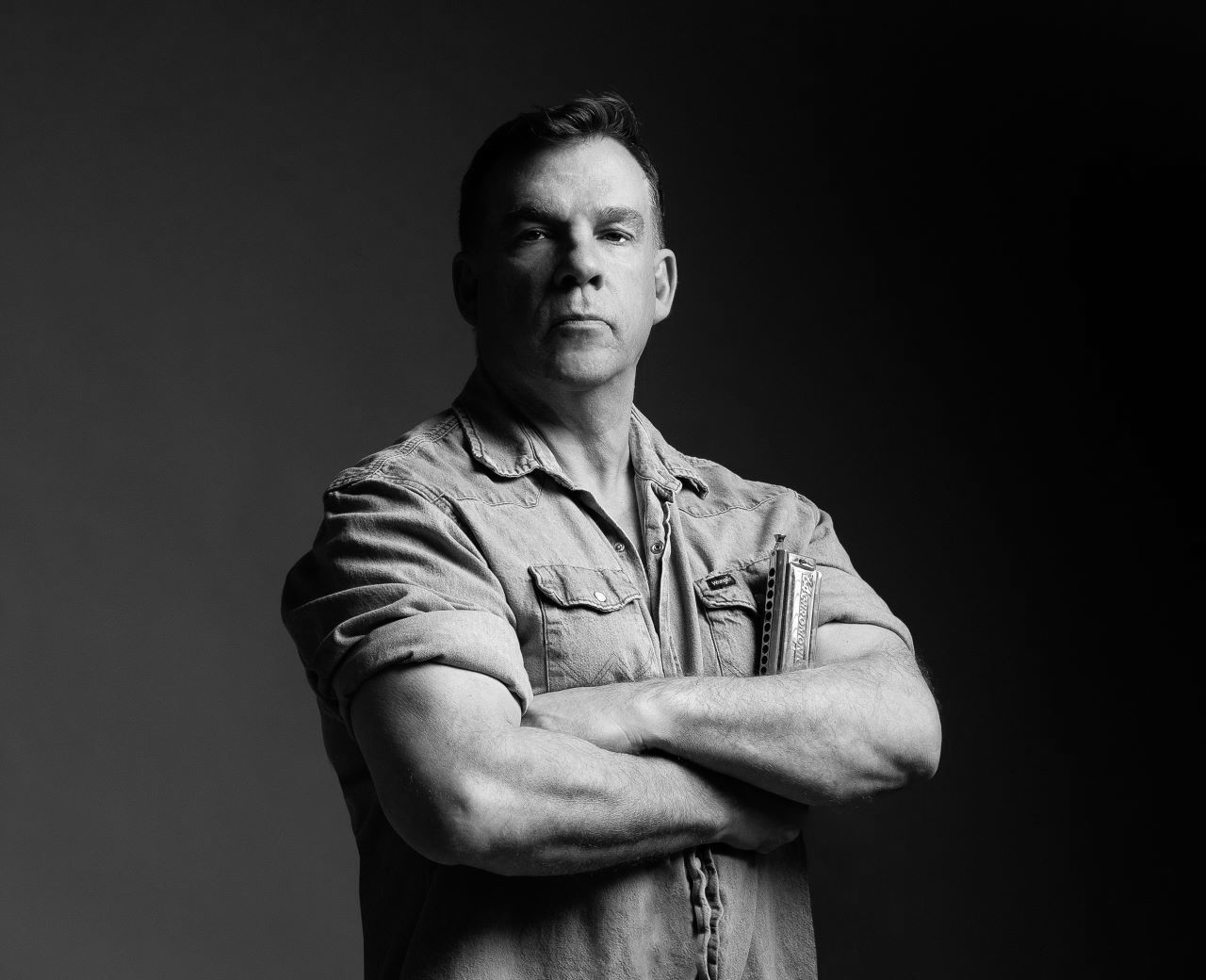
The previous album, “The Hard Line”, definitely marked a new chapter in Chris O’Leary’s musical journey, his new and fine album “Blue Collar”, out now on Alligator, finds him in a better place. Even though, as he tells us at the beginning of our conversation, he’s has recently faced some voice problems. “Yes, I’ve been good, but I was having some problems with my voice, I had nodes…so I had to take some time off. I’m going back on the road this Friday, just in time for the album release. I start in D.C. and it’s a killer gig at this club, Madam’s Organ, it’s three 70 minutes set and the place is always packed with everyone, black, white, young, old, drunken kids…Thank God, I didn’t need surgery, the nodes were still soft, so they just recommended six month off. I’m feeling better now. It scared me, I’m not gonna lie. I had to cancel a European tour, two weeks in France, Holland, Germany and Copenhagen, but they were really understanding.”
“Blue Collar” is your second Alligator album, and it seems to me the previous did very good for you in a lot of ways.
Yes, I’m finally on a label that would get me out there…it’s my dream come true, being with Alligator it’s the greatest thing that happened to me musically, since Levon. All my heroes were on Alligator. For this record we were out on the road on a West Coast run, I had three days off so i talked to Bruce Iglauer and he said “let’s take these three days, I’ll contact Kid to see if he’s got time off”. And he did. So it was like alignement of the stars, I’ve always wanted to work there. So we went there and worked three long days and nights at Greaseland and Kid was fantastic, full of ideas, really funny, he puts you at ease. And it’s truly a good place to create music. For instance, we were doing the traditional slow blues, I wanted a really traditional blues sound on it…and Kid just pulled this guitar from off the wall, plugged it into an old twin Fender and it was magic, it was instantly T-Bone Walker. You got everything you need to make a great roots music record there.
I guess it means a lot to have that kind of studio and also being free to be yourself.
Yes, everybody turns out sounding like them rather than sounding like the studio they recorded the album at. And they pretty much they sound like the best version of themselves, Kid really brings out the best from people. It’s an easy process, we all sat in one room, minimum overtakes…I did some overdubs back on the East Coast, a couple of vocals, but the basic tracks we did that live in one room with my road band, the old school way, and I love that.
How did you choose the songs for this new album, being a prolific writer you must have a lot of stuff lined up.
I do, but it’s my life, I’ve lived a crazy life…so if I was a painter I’d have a palette this big to paint from…I got a lot of stuff to pick from for inspiration for songs. I got married, we moved down to Virginia Beach, on the East Coast, I got custody of my sons, we combined families…and my life is good, for the first time in a long time. I’m no longer a police officer, I play music for a living and I’m with the number one blues label in the world, working with Bruce Iglauer. So I think the record reflects that, it’s not as dark as the one before. Certainly not as dark as the ones I released on American Showplace, but I was in a different place then. I write about what I know, I’m not one of those guys who can put himself in somebody else’s shoes…I was watching an interview with Bruce Springsteen and he said, “I’ve never been a car racer, I’ve never even worked a nine to five factory job, I’ve never struck a deal on the East Side of New York to have some money to go home with…” But for some reason he can put himself in those people shoes and write about it. I can’t. If I’d write about something that I didn’t experience or didn’t come to me naturally I feel like it’s ungenuine.
Well, like you said, you have lived a pretty intense life.
Oh it supplied me with a lot of stuff to write about. Like “Bad Decisions” for instance, that song is 100% true…for better or worse. While “Daddy Was A Wolfman” is not exactly about my dad, who is a kind, loving, responsible man, the song is about his father, my grandfather. He was a touring musician in the Twenties, he played banjo in a ragtime dixieland band, they went up and down the East Coast. He was a hard drinking irish man. Then he met my grandmother who was considerably younger, he sort of settled down and they had eight kids. That’s what irish catholics did back in the day. But he was what they called a good time charlie, he never missed a day of work, but he also never missed a chance to hang out with his buddies at the bar. So the song was written from the point of view of my grandmother who was a saint, God rest her soul, who had to support eight children while dad spent every night at the bar. How did she explain to the kids where dad was? So this thing popped into my head, “my daddy was a wolf man, the moon would go full and dad would turn into something else”.
That song reminded me a bit of something the late Tony Joe White would come up with.
Oh yes, i love “Polk Salad Annie” and the Brook Benton version of “Rainy Night In Georgia” is one of my all time favorites. It’s got that sort of sound, laidback, like J.J. Cale…that’s what I was going for. My guitar player Pat came up with that guitar line and then when I got back on the East Coast I got my buddy Greg Gumpel, he’s played on all of my records, put some slide on that. My drummer Chuck killed it on that, he’s a funky dude.
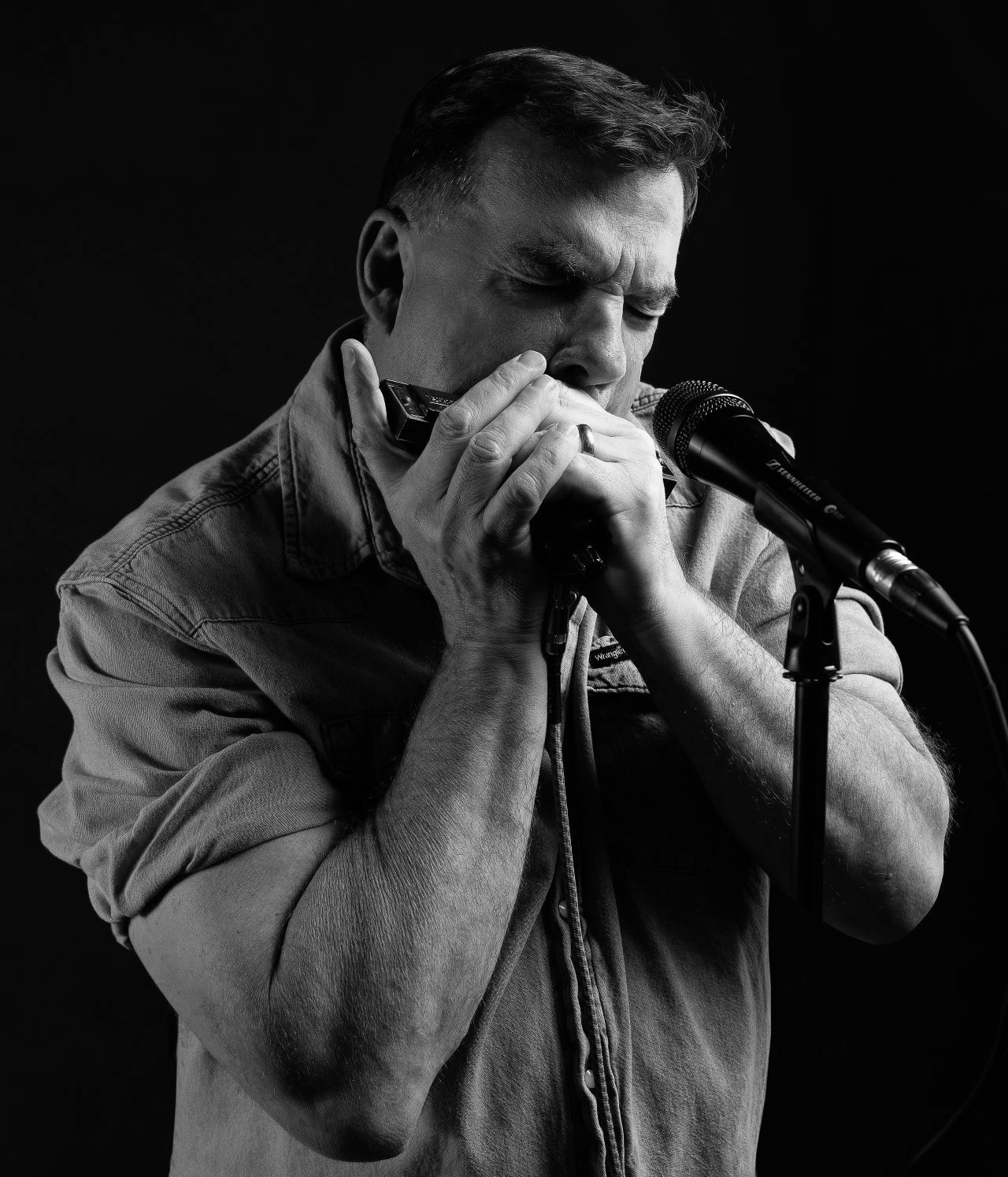
Chris O’Leary
Did you rehearse the songs with the band before going to Greaseland? Did they morphed into something else after that?
Yes, that’s exactly what happened. We had a pretty good idea where the songs were gonna go. I had in my head what I wanted for instrumentation, feel…I had an arrangement mapped out but then even though Kid was engineering, he didn’t produce, but he let me know, like “maybe you wanna try this o that…” he was really helpful so the songs there took a life of their own. That place brings stuff out of you.
Then you had couple of your friends and mentors like Bob Margolin and Lil’ Ed guest on the album.
I wrote that song, “One More Cup Of Coffee”, with Ed in mind! When I was a kid, still in high school, I was thirteen years old and there was a club in Albany, New York, where I saw James Cotton. One week after James, I saw there J.B. Hutto, he played with basically Hound Dog Taylor’s band, Brewer Phillips and Ted Harvey. I had been an Elmore James fan but that’s what made me listen to Hound Dog and it made me fall in love with Ed when I found out he was J.B. Hutto’s nephew. It’s a progression, from Robert Johnson to Elmore to Hound Dog…I love Ed’s playing. When I heard “Icicle In My Meatloaf”, that was the first time I heart him, I thought this is me, I love this. So I mentioned to Bruce, “I got this song, a rocker, in the Lil’ Ed tradition…” And he was, “I can get Ed to play on it, he’d love to”. “Do it, please!”. So Ed laid down that track in Chicago with Bruce in the studio. He sent me a couple of takes and it was right his will house, they were all exactly what I knew. Bob has been my buddy since the Levon days. He’s taken care of me. When i got my voice back he was the first person I called. We recorded this song, “Nothing But A Memory” for the first Alligator record and Bruce said, “listen, this is a great representation of Fifties Muddy Waters style Chicago blues…but this is your first record and let’s give people an idea of what you are. They can hear your influences, believe me.” And yes, if you hear me play harp for one second you can tell I’m a James Cotton guy. It’s just who I am. “So”, he said, “let’s hold this one off”. We put it on a shelf and when it came down to doing this record, I wanted to revisit it. I had Mike Law play upright bass on it, who plays with Darrell Nulisch now, then I did a harmonica solo Cotton style and that was it. Then I sent it to Bruce again and he said yes, now is the time. I love Bob, I owe him so much. No one does the Muddy thing like Bob. And he got me on some Last Waltz tours…to be able to play with Bob I’m truly blessed.
People like Bob, Lil’ Ed or Billy Branch are the elders now.
They were the kids back in the day! We did the same type of songs with Levon, because Levon loved Muddy, he did the Woodstock Record…If you go to his house, there’s the Barn and then there’s a small house, a stone house attached to the Barn. On the mantle there’s just one picture, Levon and Muddy. Not Van Morrison, not Bob Dylan, not Neil Young…the people who were on the Last Waltz or played with The Band over the years, but Levon and Muddy. That’s where his roots were. I miss him. Robbie passed and then Garth passed, it’s the end of an era. The Band literally invented that music and now it’s everywhere. Garth sounded like Garth, it was like playing with Sun Ra…sometimes you just had to sit back and observe, because it’s gonna go places that you didn’t expect. And we were a traditional band when I was with Levon, when Garth would play with us we had some crazy nights. One night Garth was on organ and Bernie Worrell from Parliament Funkadelic was on clavinet! It was surreal. I had some crazy nights like that, you never knew who would come up to play with us, and I was green, I only knew one type of music then, Chicago blues from 1951 to 1961 and that’s about it! Levon loved that, playing the blues.
We talked the other time about New Orleans, but even on this album you have an accordion song with Wayne Toups on it.
Here’s another great story. When I wrote the song it had a Gulf Coast feel in my head, like a zydeco feel. Kid got an accordion player, a guy who used to play with Elvin Bishop and he killed it, but once I got home I listened to it and it wasn’t really what I was looking for. I wanted less solo and more rhythm and I was not have him come back in San Jose, I didn’t wanna bother him. I tried a local guy but it didn’t work and I was about to scrap the idea of the accordion when I talked to my guitar player Pat, who was in Levon’s band with me back in the day. And he said, “what about Wayne Toups?”. Wayne played the club that we were the house band in back in the late Nineties. He came in and he’s a Gulf Coast legend, he upset the place, he broke it down to just him and accordion. He’s won Grammies, but Pat went on his website and said “oh, here’s the contact number”. I had never met him, I might have said hello to him but that was it. So I sent an email, figuring it’d go to his manager, saying “I’m making this record, I’d send you the song, I think Wayne would kill it”. I got a phone call back in thirty minutes. I thought I was talking to the manager, but he said, “No, this is Wayne, I really want to do it”. He did a couple of takes and they were perfect. I learned a lesson, you don’t know until you ask. Next record if I have a tune with a New Orleans feel I’m gonna ask Jon Cleary to play piano! Nobody does it as good as him, that’s probably my favorite band right now.
The title of the song is “Live Baby Gators”.
Have you been to Florida? Well, if you ever go it’s really flat, but in northern Florida near the Georgia border you start seeing these crazy signs that have alligators with a diaper on, live baby gators, it’s a tourist trap and they’re everywhere. Probably ten years ago I saw these signs thinking it would make a good song. Eventually I wrote it and it’s sort like a Delbert story, Delbert write these kind of stories. It was more of a rocker at first but then it morphed into a zydeco good time bouncy feel and I was so happy Wayne was able to do it. We did another New Orleans tune on the record, “One Way Street”, and I wanted to bring it down at the end with just percussion and the brass. I needed tuba and trombone. Kid Anderson said “Hold on”. And he got this San Jose guy who did those parts, and in one take.
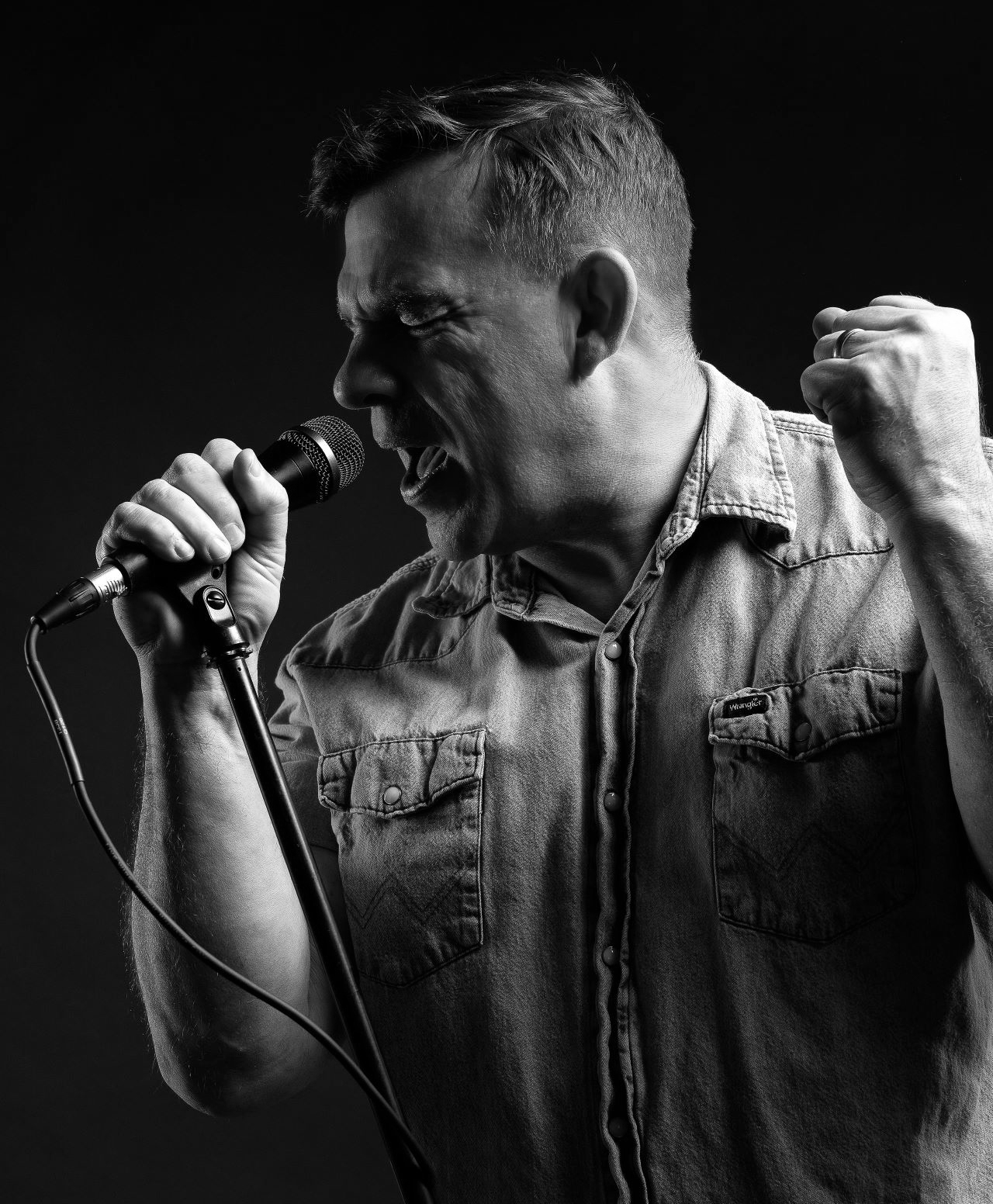
Chris O’leary
Who else would be on you wish list of people to collaborate with beside Jon Cleary?
I’d say Warren Haynes, I love him, I got to play with him a few times on the Last Waltz tours…I’d like to be able to record with him. I think he’s so soulful, he can rock out with the best, but when you see him do an Otis Redding song he can bring you to tears. He’s a treasure. A lot of the guys I’d love to play with are dead. Like Jeff Beck, I met him back in New Orleans, he’s one of my all time favorite guitar players. He got his own thing, but if you asked him to play blues or rockabilly he could do it as good as anybody. I love the record he did with the Big Town Playboys.
Any chance some of the stuff you did record with Levon might come out someday, like they did the album with Mavis Staples?
Maybe someday, I know it’s in the vault at The Barn, I talk to Amy so I’ll ask her one day. Levon loved Mavis, everyone does. She’s a person that has a light, an aura, when she walks into a room, she exudes happiness; and there have been very few people I met like that, it’s very rare.
What about the title, “Blue Collar”?
Bruce came up with that idea. I wrote a song that was more Americana than blues, we were putting in on this record but this one is more traditional than the last one, it’s truly a blues record. So we held back. That song was about me being in the union back when I was a cop. So we started running ideas around and he came up with blue collar. It has to do with who I am, my past, being a marine, a sergeant, a cop…I’m a blue collar guy, I work with my hands, live a simple life, nothing too fancy. The minute he said it I thought this is it. And he had already thought about the cover…that’s how his mind works, this isn’t his first rodeo! The guy is amazing. And he says to me, “with most people I had to ask them to be more loquacious, with you it’s the opposite”. Words starts coming out easily when I’m writing, I have thing in my head sometimes.
What’s your songwriting process like usually?
I’ll get an idea and that always comes lirically, very rarely I start a song with musical hook. Then I search for a phrase or something than can encpsulate the song. It’s always lyrics first and I start flashing it out. I try to pair some kind of groove, my old piano player, Brooks Milgate, was very good at this, if I’d go to him and say, “listen I got to write a New Orleans song, dude I neeed a groove like Huey Piano Smith…” And Brooks would send me a track with him playing exactly what I had asked him for. Lately I fit the groove to the lyrics and it’s about something I have done or relate to. I’ll track it down on a guitar and then send those rough stuff to my people.






Comments are closed